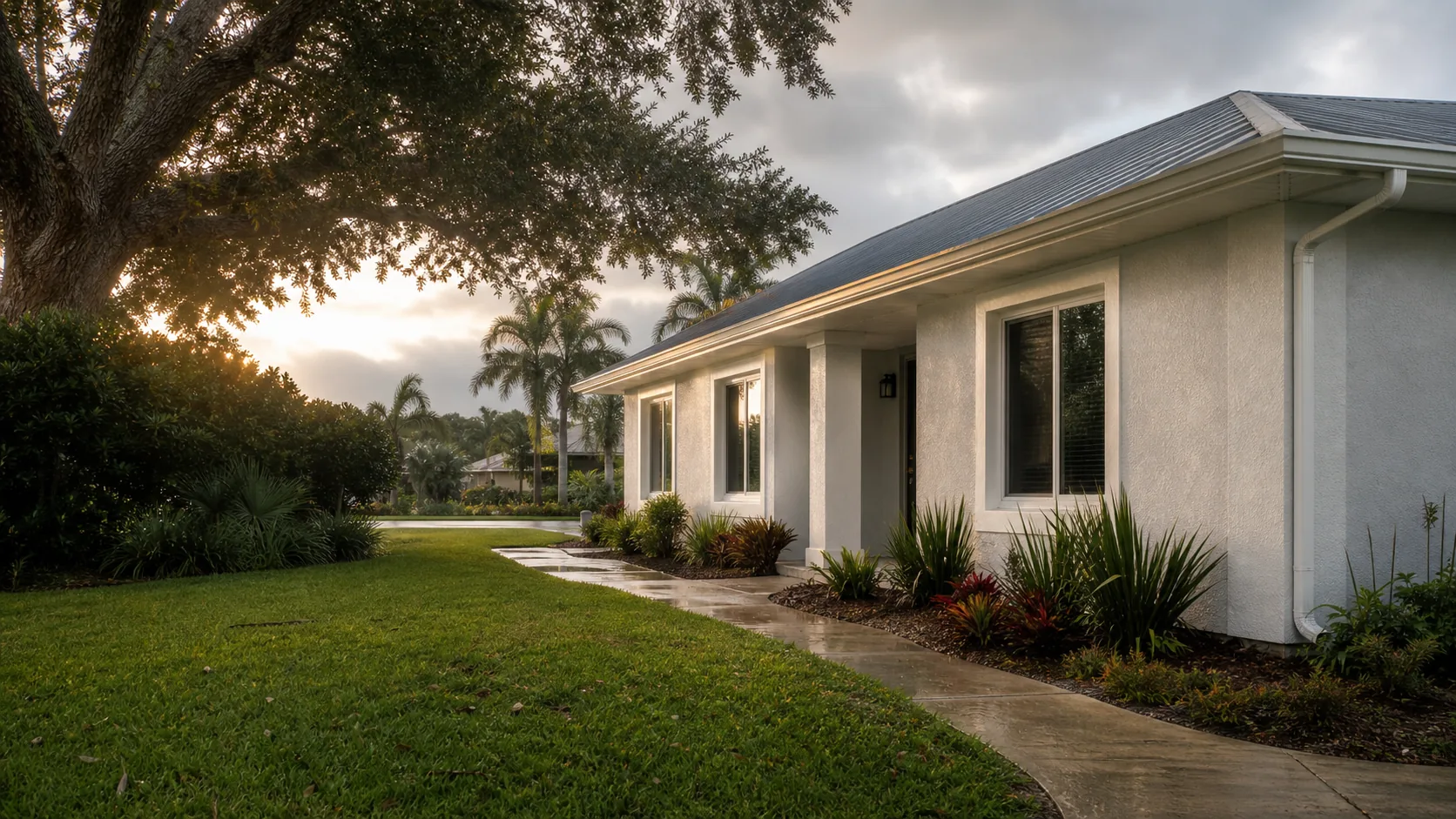
Clearwater residential tree removal guidance
Plan the rigging, drop zone, utility lines, and cleanup around sandy soil and a Gulf Coast storm season.
Permitting is the record that governs this work, and it is the one most often discovered too late: established canopy is a protected resource here, so removing a healthy tree generally requires city approval and can carry a replacement obligation, which makes confirming the rules for the specific parcel a first step rather than an afterthought. Hazardous and storm-damaged trees are handled under different provisions, but that determination is not made informally. Stormwater management is the quieter connection: mature trees take up a meaningful volume of water on a flat, low-lying site, and removing one changes how the lot drains.
Independent matching resource—not a contractor. Provider availability varies.
Built around local conditions
The house and site are part of the scope.
Tree condition, lean, nearby structures, overhead lines, crane or lift access, protected landscaping, rigging, debris handling, and stump scope determine the safest practical approach on a lot with sandy soil, a shallow water table, and Gulf-facing exposure.
Permitting is the record that governs this work, and it is the one most often discovered too late: established canopy is a protected resource here, so removing a healthy tree generally requires city approval and can carry a replacement obligation, which makes confirming the rules for the specific parcel a first step rather than an afterthought. Hazardous and storm-damaged trees are handled under different provisions, but that determination is not made informally. Stormwater management is the quieter connection: mature trees take up a meaningful volume of water on a flat, low-lying site, and removing one changes how the lot drains.
Review local sources →Project paths
Start with the work you are considering.
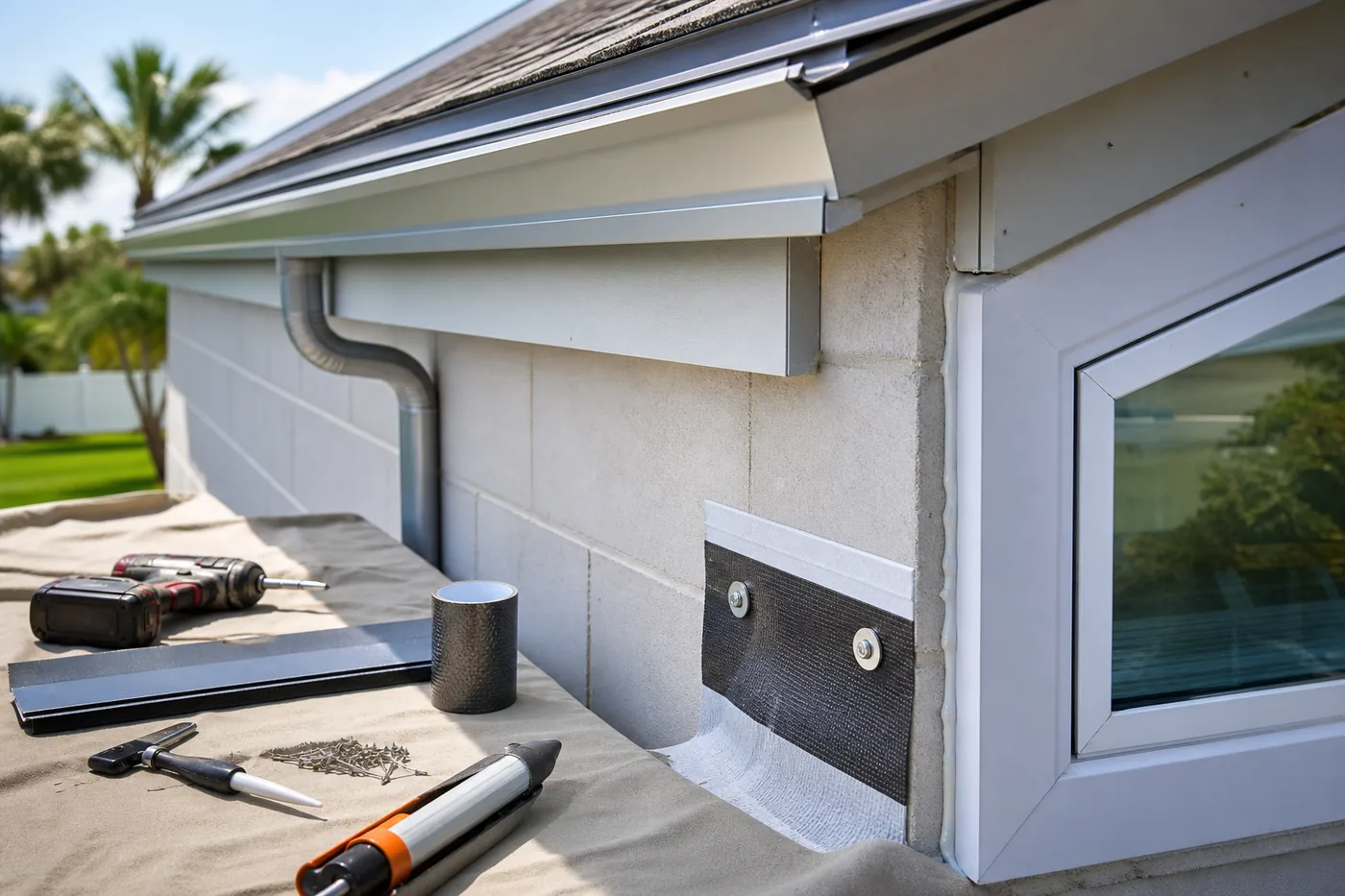
The work that lasts
Details hidden later deserve attention now.
Tree condition, lean, nearby structures, overhead lines, crane or lift access, protected landscaping, rigging, debris handling, and stump scope determine the safest practical approach — details that matter even more once storm season or salt exposure has already stressed a Pinellas County canopy.
See a sensible project process →Local housing context
“Early resort growth and the postwar expansion of Pinellas County produced a dense mix of cottages, ranch homes, multifamily buildings, and newer coastal construction.”
Planning-level cost context
Compare scopes—not just totals.
Permitting is the record that governs this work, and it is the one most often discovered too late: established canopy is a protected resource here, so removing a healthy tree generally requires city approval and can carry a replacement obligation, which makes confirming the rules for the specific parcel a first step rather than an afterthought. Hazardous and storm-damaged trees are handled under different provisions, but that determination is not made informally. Stormwater management is the quieter connection: mature trees take up a meaningful volume of water on a flat, low-lying site, and removing one changes how the lot drains.
Tell us what you are planning
Make the first conversation more useful.
Your request may be shared with an independent local provider serving Clearwater or a nearby community.
Common questions
A clearer starting point.
Are you the contractor?
No. This is an independent lead-generation and contractor-matching website.
Is a provider guaranteed?
No. Coverage and provider availability vary. Verify credentials and scope directly.
Can I get an exact price online?
No. A responsible quote depends on an evaluation of the house, site, access, and requested scope.